
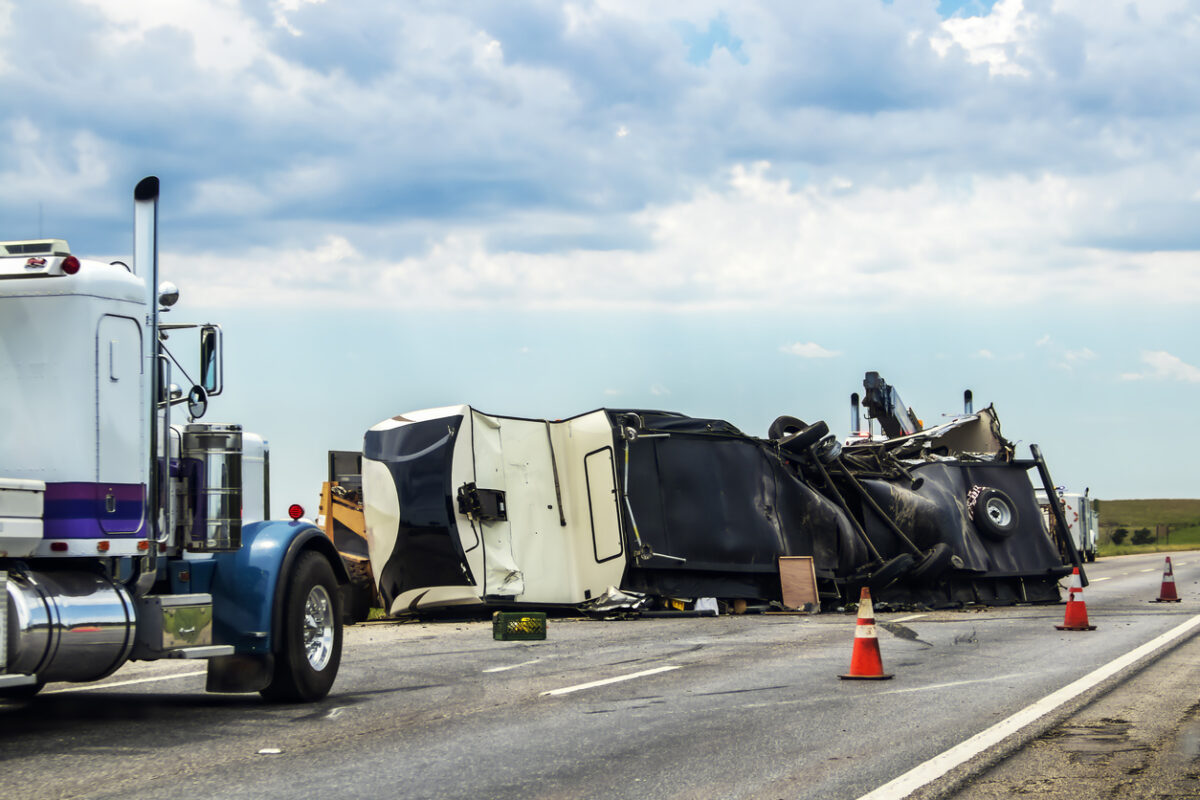
When a trucking accident occurs, the first thing you should be concerned about is safety and medical care if there are injuries. Reporting the incident to your insurance company and following up on claims are also critical. Proper claims follow-up can affect how quickly a claim is resolved, how much it costs, and how it will affect your insurance moving forward.
Whether the accident was your fault or not, staying engaged in the claims process helps protect both your business and your driving record.
The Claims Process
After an accident is reported, your insurance company will assign a claims adjuster to investigate the incident. The adjuster will gather the facts, determine liability, assess damages, and ultimately decide how the claim will be resolved. For trucking companies and owner-operators, this stage often involves providing additional documentation, answering questions, and cooperating with the investigation.
Prompt follow-up helps ensure:
- Faster claim resolution
- Accurate determination of fault
- Proper coverage of vehicle repairs and damages
- Reduced risk of claim disputes
Delays or incomplete information can slow down the process and sometimes increase the cost of a claim.
What the Claims Investigation Looks Like
After a claim is filed, the adjuster may review several pieces of information, including:
- Police reports
- Driver statements
- Witness accounts
- Photographs or dash cam footage
- Electronic logging device (ELD) records
- Vehicle inspection reports
The goal is to determine exactly what happened and who is responsible.
Understanding At-Fault vs. Not-At-Fault Accidents
One of the most important outcomes of a claims investigation is determining liability, or who caused the accident.
At-Fault Accidents
An accident is considered at-fault when the truck driver or trucking company is determined to have contributed to or caused the collision. Common examples include following another vehicle too closely, unsafe lane changes, failure to yield, and distracted or fatigued driving.
When the truck driver is found at fault, your company’s Liability insurance typically pays for damages to other vehicles, property, or injuries. If your truck is damaged, Physical Damage coverage may cover the repairs, depending on your policy and deductible.
At-fault accidents typically will affect your trucking company’s loss history, which may influence future insurance premiums or underwriting decisions.
Not-At-Fault Accidents
A not-at-fault accident occurs when another driver or party is responsible for the collision. For example, a passenger vehicle rear-ends your truck, another vehicle runs a red light and strikes the truck, or a distracted driver drifts into the truck’s lane.
Even when you or one of your truck drivers is not responsible, the claim still needs to be investigated and documented. Your insurance company may initially handle repairs under the truck’s Physical Damage coverage and later seek reimbursement from the at-fault party’s insurer (known as subrogation).
Repairs and Damage Assessment
Once liability and coverage are confirmed, the insurance company may arrange for the following to assess the damage:
- Vehicle inspections
- Repair estimates
- Appraisals of damaged equipment
- Evaluation of cargo loss (if applicable)
If your truck requires repairs, the adjuster will work with you and the repair facility to approve the estimate and proceed with repairs. For owner-operators, minimizing downtime is often a top priority, so staying in contact with the adjuster and repair shop can help keep the process moving.
Staying Proactive During the Process
Even after the accident report is filed, drivers and fleet managers should stay involved in the claims process. Best practices include:
- Respond quickly to requests from the adjuster
- Keep copies of all accident documentation
- Track repair updates and timelines
- Report any new information that becomes available
Maintaining clear communication with your broker or insurance agent can also help if questions arise during the claim.
About Western Truck
Western Truck Insurance Services is an insurance brokerage specializing in commercial truck insurance. We know this stuff and want to ensure you do, too. We assist owner-operators and truck fleets in obtaining quality, affordable truck insurance, including Commercial Auto/Truck Liability and Physical Damage coverages. We partner with several specialty trucking insurance companies to give you more options and better rates.
Our clients appreciate our dedication to finding competitive rates and providing unparalleled service, complemented by excellent insurance options. They also value our state-of-the-art automation, which provides lightning-fast truck insurance quotes, customer service, insurance certificates, and coverage changes. Contact us today at (800) 937-8785 to learn more.