
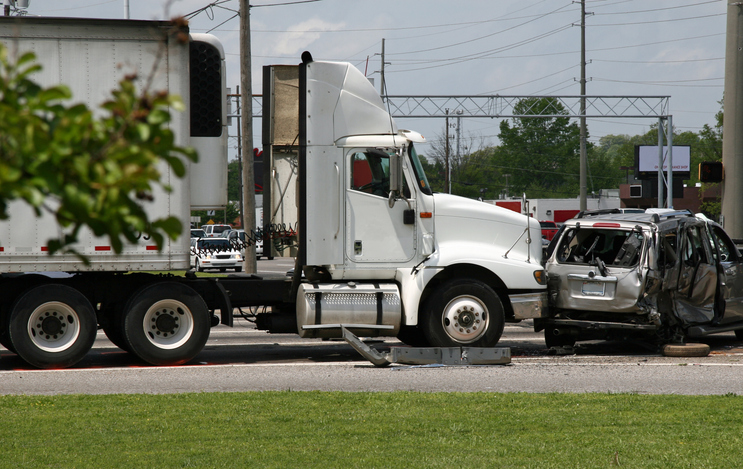
Even the safest drivers can be involved in a collision. In fact, more than 160,000 truck accidents occur in the U.S. each year, including more than 13,000 in California, according to FMCSA data.
What’s critical are the steps you and your drivers take immediately following a collision to protect everyone’s safety involved in the accident, as well as how smoothly the insurance claim process goes. Following these steps helps protect you, your company, and your ability to get back on the road.
Safety Comes First
- Check for injuries: Call 911 immediately if there are injuries or hazards.
- Move to a safe location if possible. If the truck can be moved and it’s safe to do so, pull out of traffic to prevent secondary accidents.
- Turn on hazard lights and set out reflective triangles or flares as required.
- Do not leave the scene, even if the damage appears minor.
Call Law Enforcement
Always request a police report, even for low-speed or minor accidents.
- A police report provides official documentation that insurance companies rely on.
- Stick to the facts when speaking with officers.
- Do not admit fault or speculate about what caused the accident.
Document the Scene
Good documentation is one of the most important steps in ensuring a smooth claim. Photograph the following with your phone:
- All vehicles involved — wide shots and close-ups
- All people involved, if possible
- Damage to your truck, trailer, and cargo
- License plates, DOT numbers, and company names
- The position of vehicles before they are moved (if safe)
- Road conditions, skid marks, debris, traffic signs, and signals
- Weather conditions and lighting
- Any visible injuries (if appropriate and safe)
While details are fresh, write a brief, factual account:
- Time and location of the accident
- Direction of travel
- Traffic and road conditions
- What you observed before and after the collision
Gather Key Information
Exchange and record the following details:
- Driver names, phone numbers, and addresses
- Insurance company names and policy numbers
- Vehicle details (make, model, VIN if available)
- Employer or motor carrier information
- Names and contact information of any witnesses
If you use an electronic logging device (ELD) or dash cam, do not delete or overwrite data.
Notify Your Company and Insurer Immediately
- Report the accident to your dispatcher, safety manager, or employer as soon as possible.
- Follow company procedures for accident reporting.
- Notify your insurance provider quickly — delays can slow down claims or raise questions later.
Avoid Social Media and Any Unnecessary Conversations
- Do not post photos or comments about the accident on social media.
- Do not discuss details with anyone other than law enforcement, your employer, or your insurance representative.
- Politely decline on-scene discussions about fault.
Preserve Records
Be sure to keep copies of the following:
- Police report numbers
- Accident photos and videos
- Medical evaluations (if any)
- Repair estimates and invoices
- Tow and storage receipts
- Organized records help prevent delays and disputes during the claims process.
Vehicular accidents are stressful, but prioritizing safety, carefully documenting the scene, and promptly reporting the incident to your insurance company can make a real difference in resolving the accident, arranging repairs, and getting your drivers back on the road.
Additionally, ensure you have proper Trucking Liability and Physical Damage coverage in the event of an accident.
About Western Truck
Western Truck Insurance Services is an insurance brokerage specializing in commercial truck insurance. We know this stuff and want to ensure you do, too. Our clients appreciate our dedication to finding competitive rates and providing unparalleled service, complemented by excellent insurance options. They also value our state-of-the-art automation, which provides lightning-fast truck insurance quotes, customer service, insurance certificates, and coverage changes. Contact us today at (800) 937-8785 to learn more.